Family-Owned, 4 Generations

Family-Owned, 4 Generations
Home //
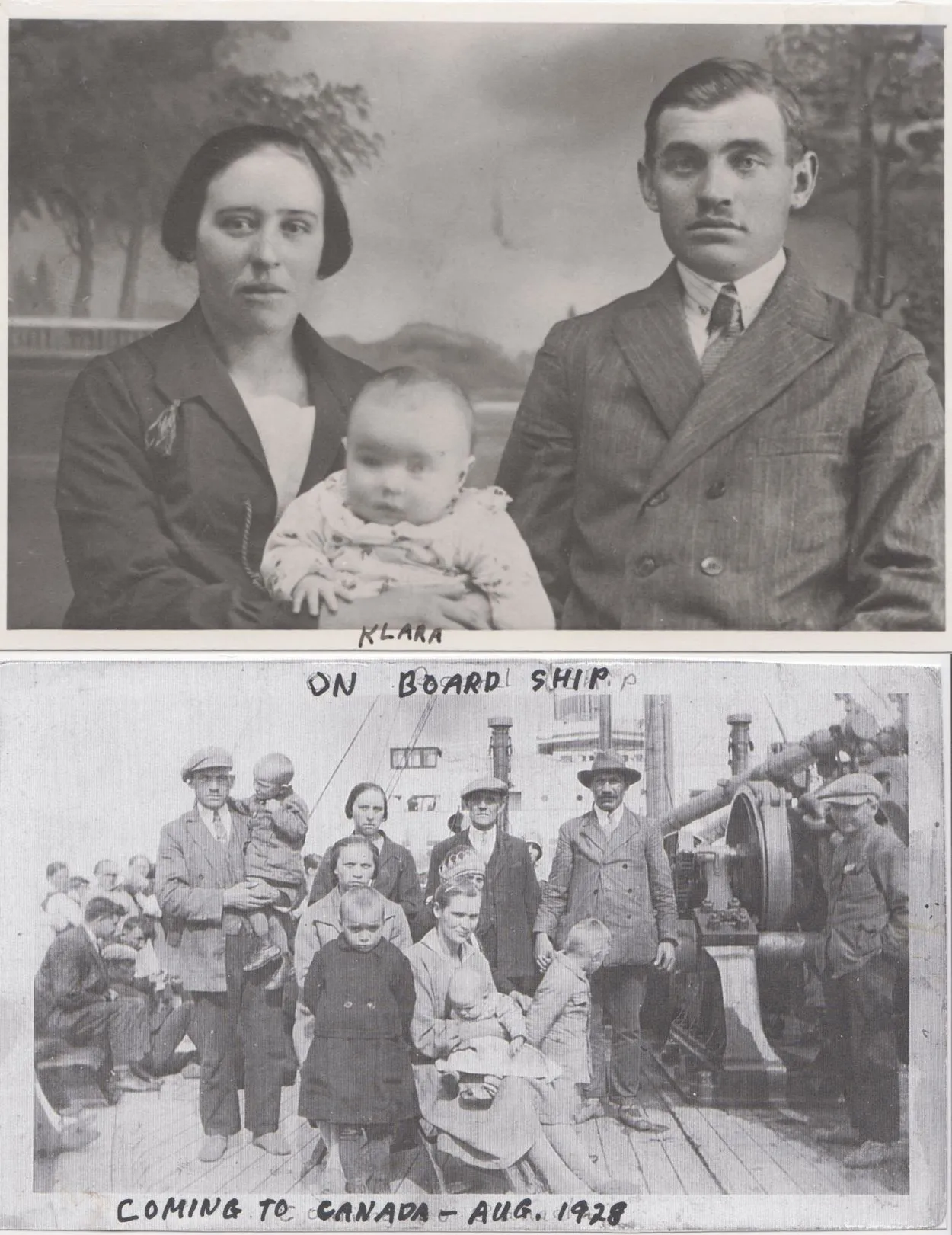
August 1, 1928, Great Grampa Gottfried Semler, his wife Wanda, and daughter Klara, sailed from Europe heading to Canada. The family was hit hard by the death of their only child, who died at sea. They settled in Tomahawk, Alberta, and had 3 more children.
They purchased a homestead for $10, but needed to clear 20 ac in order to receive title. This land was all trees, and was all cleared by hand.
Great Grandpa Gottfried Semler moved to Cherhill and rented two quarters from a landowner from New York. The plan was to stay long-term, but after two years, the landowner decided to move to Canada and start farming, which forced the Semlers to relocate. The decision was made to move to Highridge.
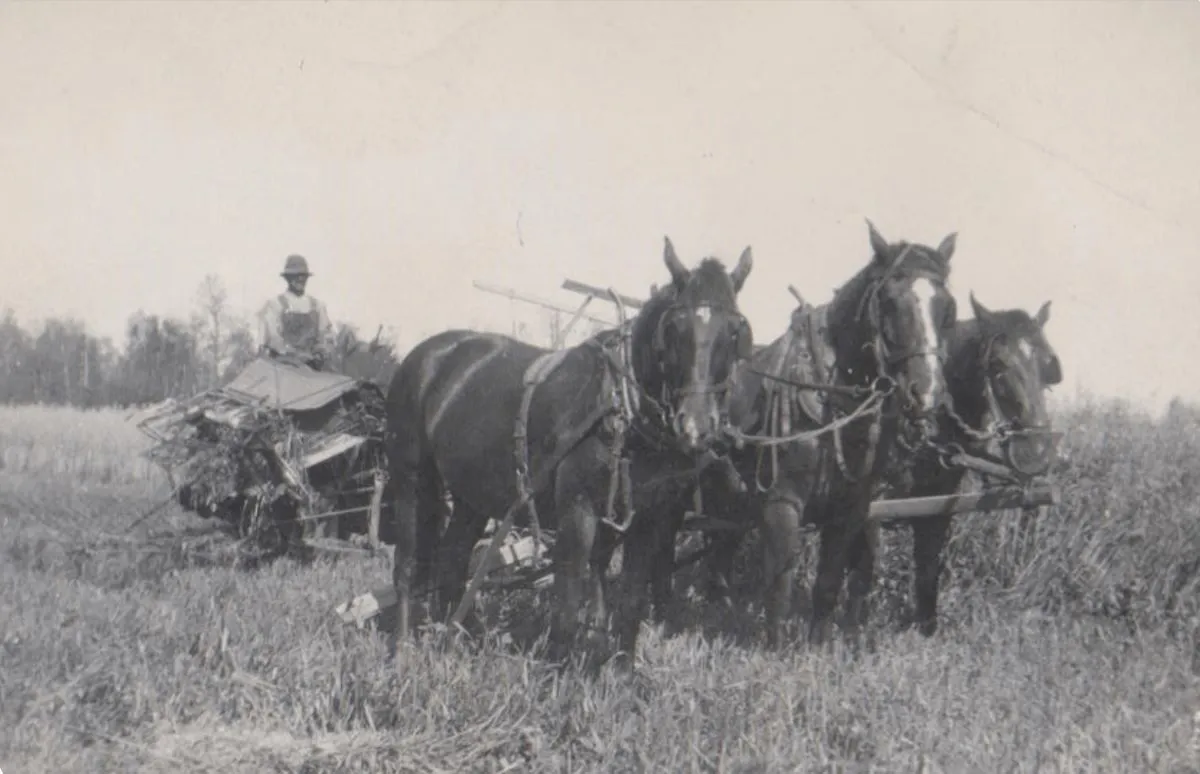
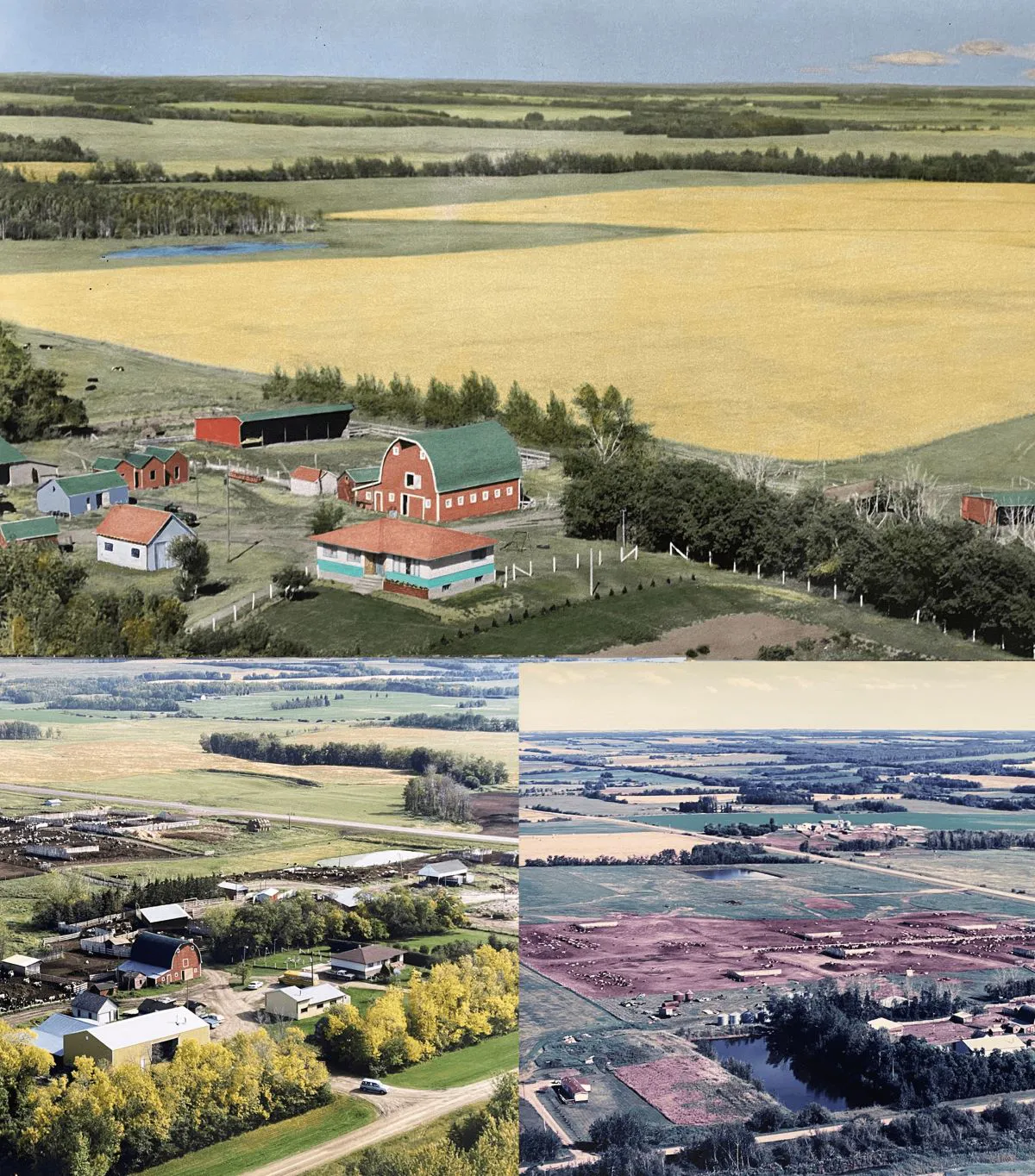
The combination of losing their rented land and the desire to find a location closer to the church they wanted to attend drove them to make the decision to move to Highridge, where we are still located today. The first quarter in Highridge was purchased with 70 acres cleared for farming.
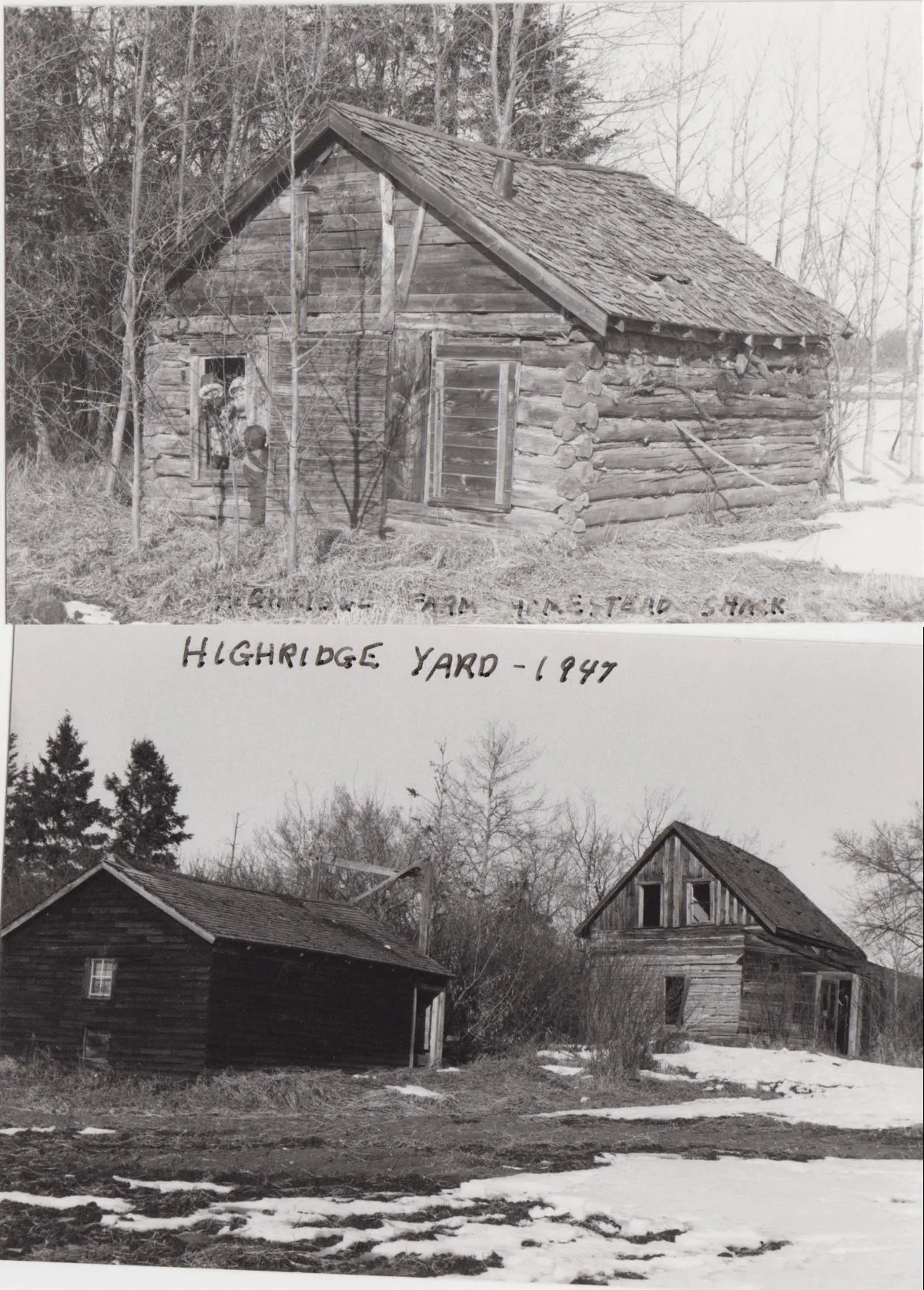
Today, this field is fully cleared and continues to be farmed by our family, although the original buildings are no longer standing.
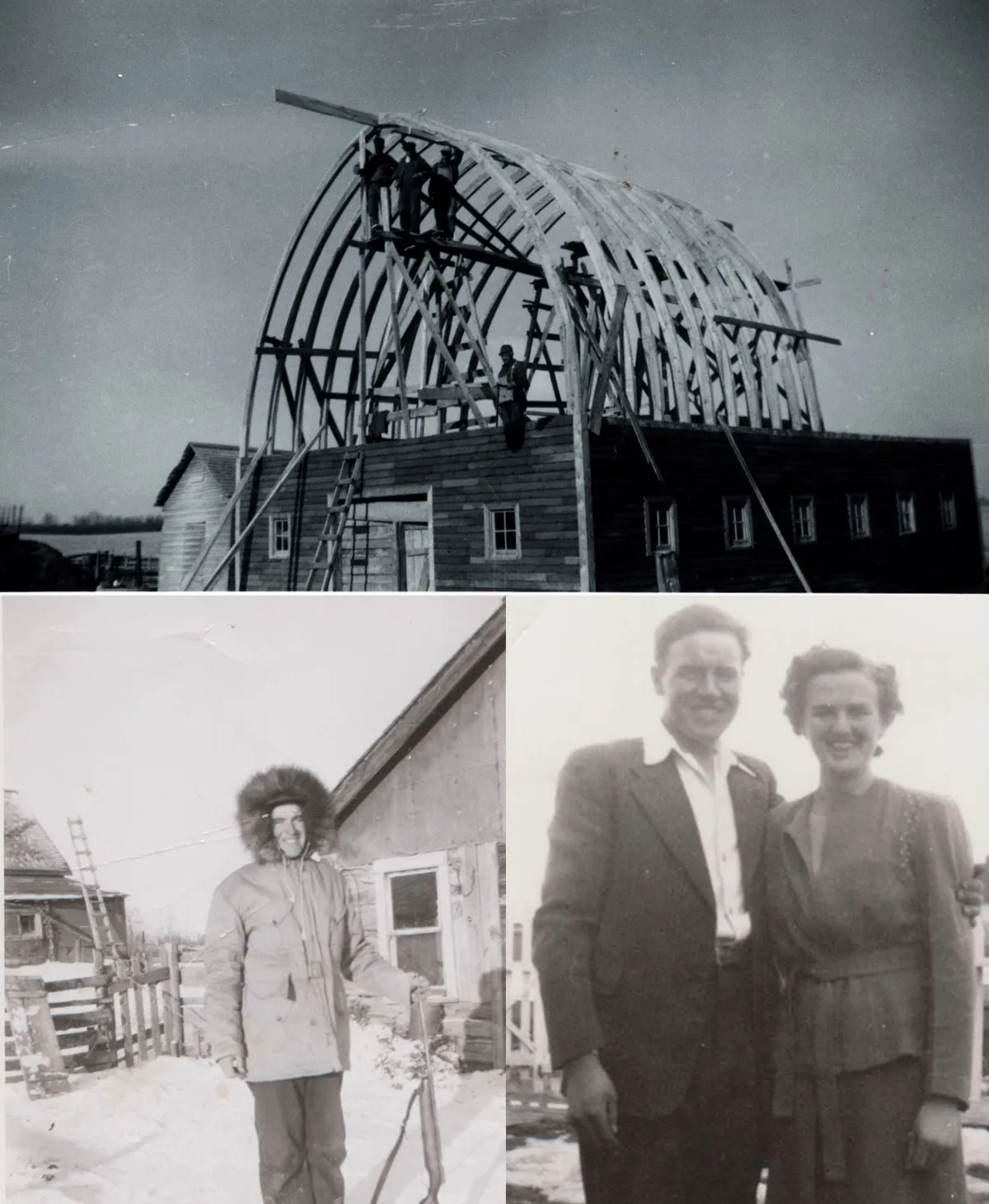
Gus and Elsie Semler were married and purchased their first quarter of land, where they built their first home. This property became the heart of their farming operations, bustling with activity until 2019 and still in use today. Gus had heard that Township Road 590 would eventually be paved right next to their land, and his foresight in choosing this location was remarkable. Though it took nearly 30 years for the pavement to arrive, it ultimately came to fruition!
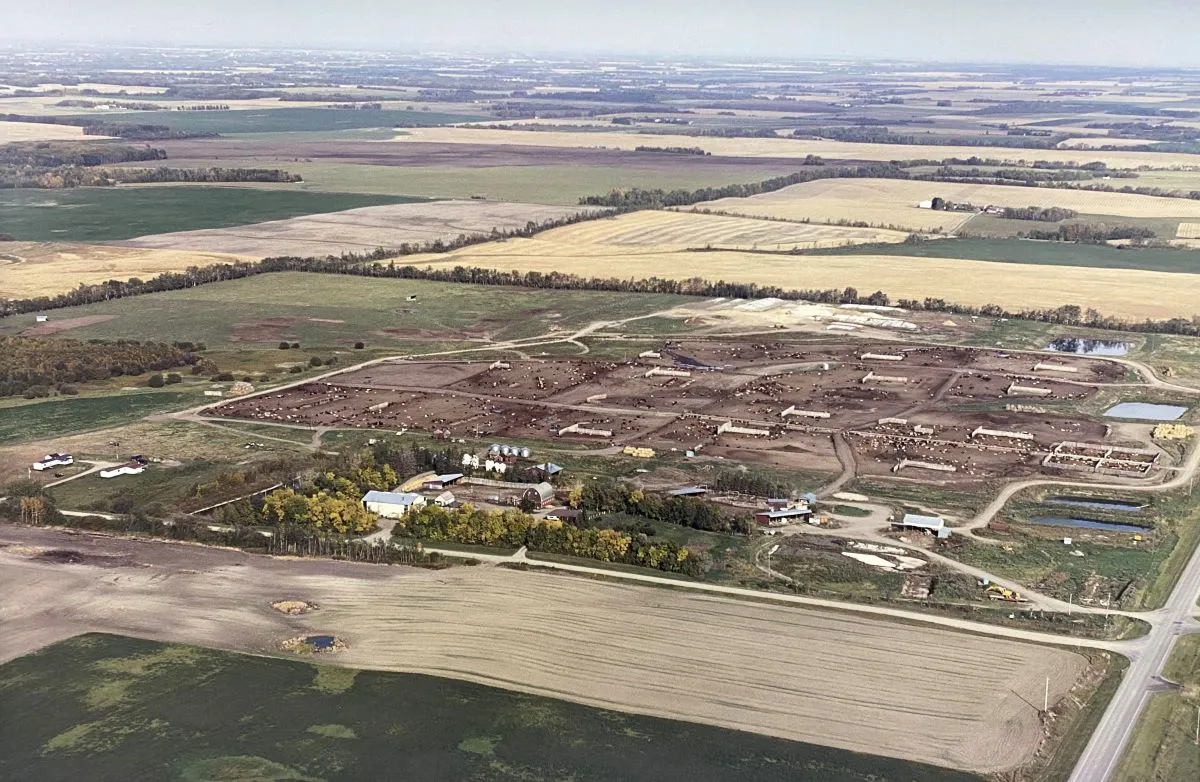
Lorne Semler had been farming alongside his father, Gus, when he made the decision to focus on cattle. Each year, the small feedlot expanded, ultimately reaching its maximum capacity of 5,500 head. A significant portion of this capacity was dedicated to finishing Holsteins for a niche market in the U.S.
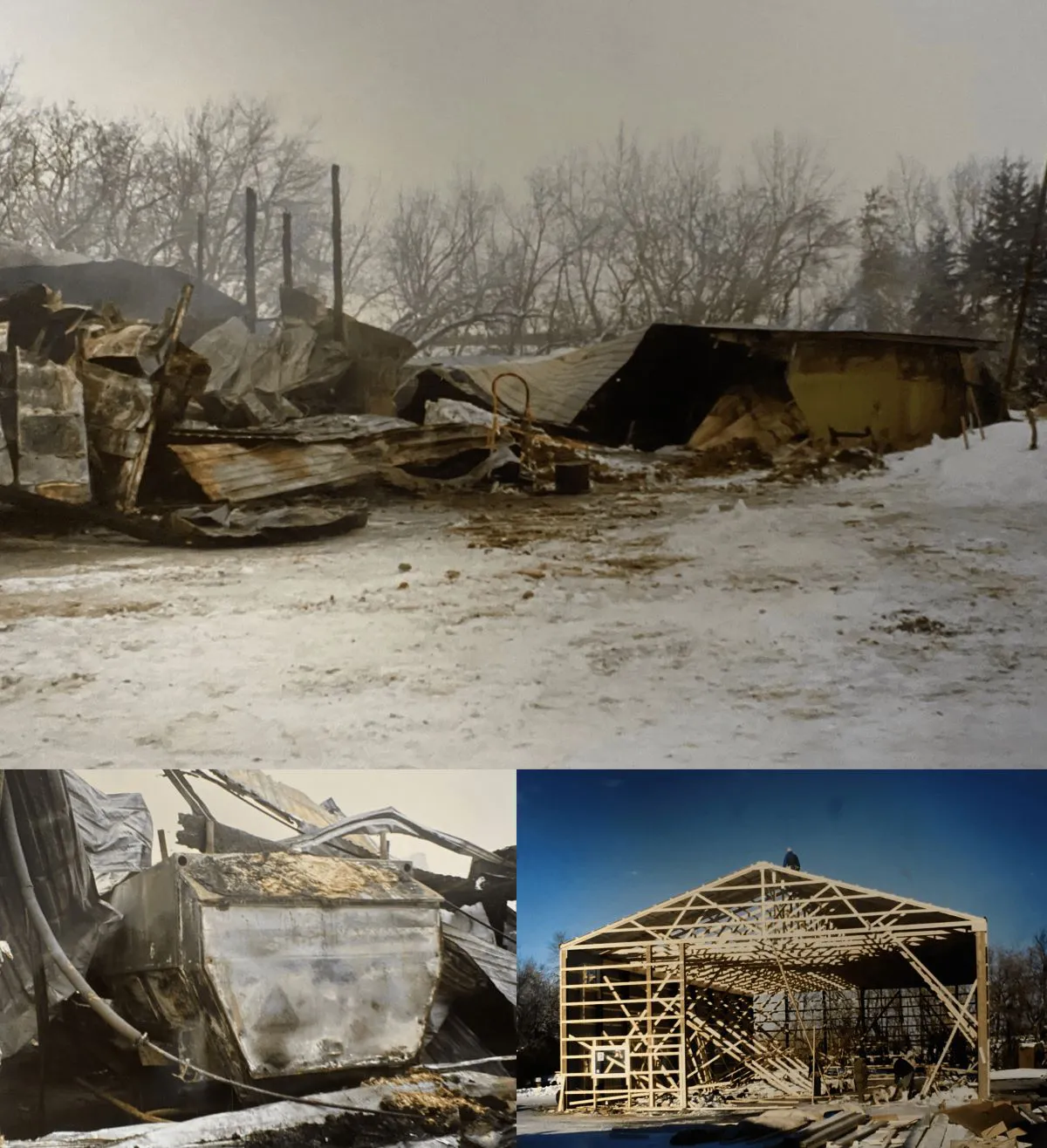
November 28, 1996, the workshop that held all the major cattle equipment for daily chores, burned down with all the equipment inside. With the help of friends and family, no cattle went hungry, and a new shop was soon built.
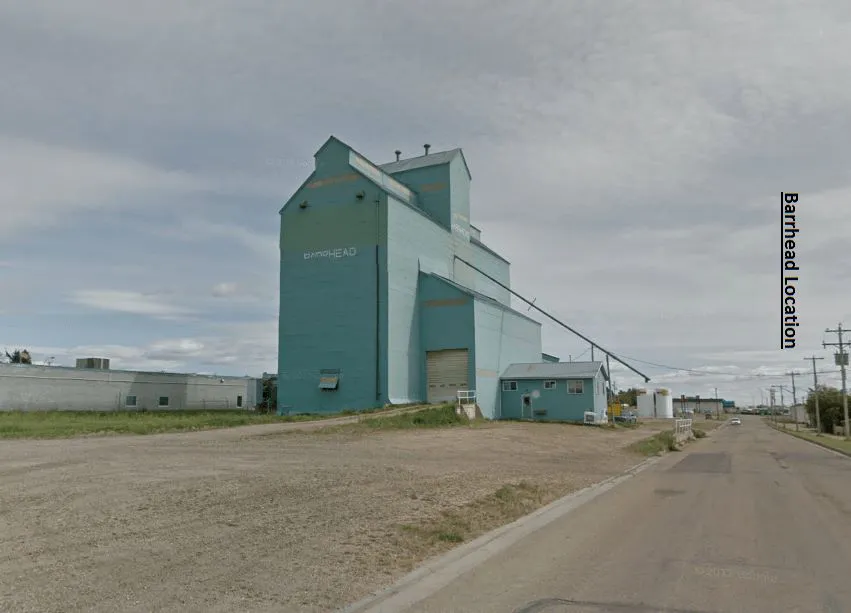
Agricore United was demolishing most of their grain elevators in small towns. Lorne Semler made an offer to purchase the newest of 6 grain elevators in Barrhead (built in 1970), and Agricore accepted his offer.
Today, only two grain elevators remain standing in Barrhead. Lorne had already begun buying and selling grain using the farm bins at his disposal, and acquiring the elevator was the key element needed to truly bring his business vision to life.
In 2002, just one year after acquiring the grain elevator in Barrhead, we faced a significant drought. This was a year that many remember for its challenges. While cattle prices soared, feed costs also tripled, making it difficult to sustain the operation. After careful consideration, we decided to sell our cattle and reassess our strategy for the following year.
In the spring of 2003, the cattle industry was further impacted by BSE, leading us to recognize that re-entering the cattle market wouldn’t be practical for some time. This shift allowed us to refocus our efforts on our grain business, which was already underway, and explore opportunities to expand our grain farm.
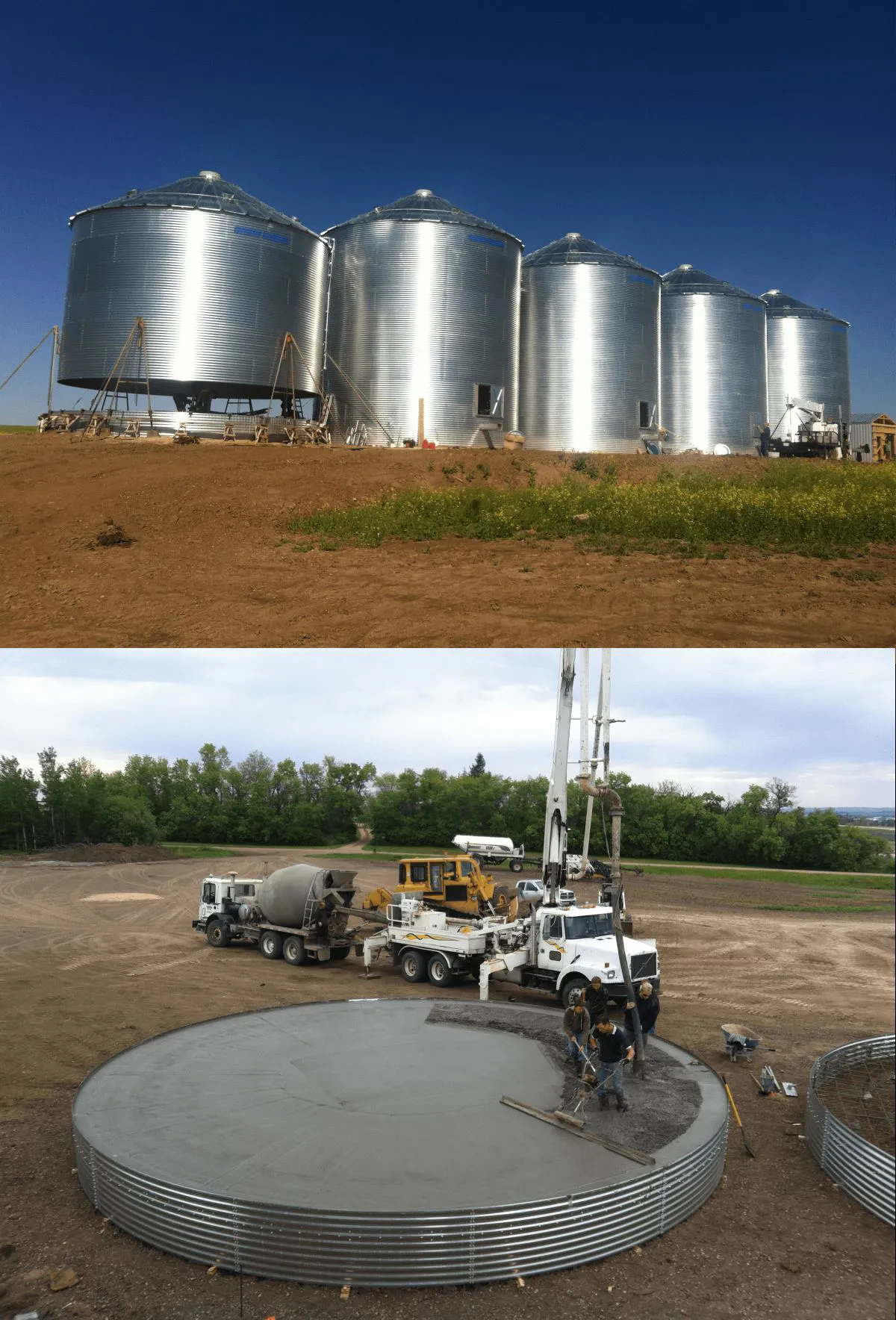
With the feedlot closure and the acquisition of additional acres, grain storage transitioned from silage pits to grain bags. However, the wildlife issues associated with grain bag storage prompted the decision to construct grain bins in two phases over the following years. In 2010, five 31,000-bushel bins were built, increasing the total storage capacity by 155,000 bushels.
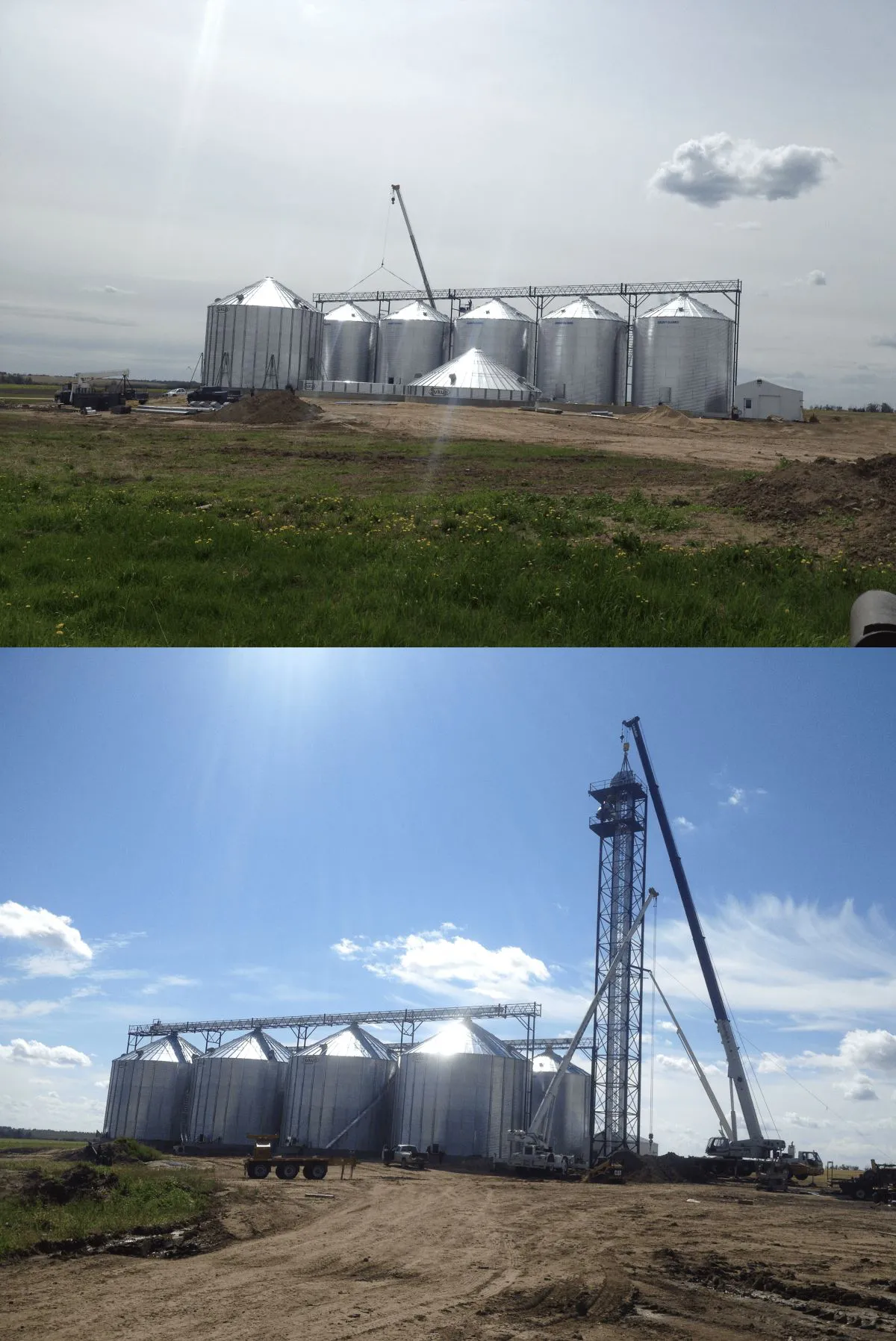
After two years of utilizing large bins, the time had come to invest in even bigger storage solutions. Simultaneously, the grain business managed from the Barrhead elevator was thriving, indicating potential for further expansion. To support this growth, it was decided to automate the farm facility with a bucket elevator and grain conveyors, designed to handle a capacity of 14,000 bushels per hour. Additionally, four new 56,000-bushel bins were constructed, bringing the total storage capacity at this location to 379,000 bushels.
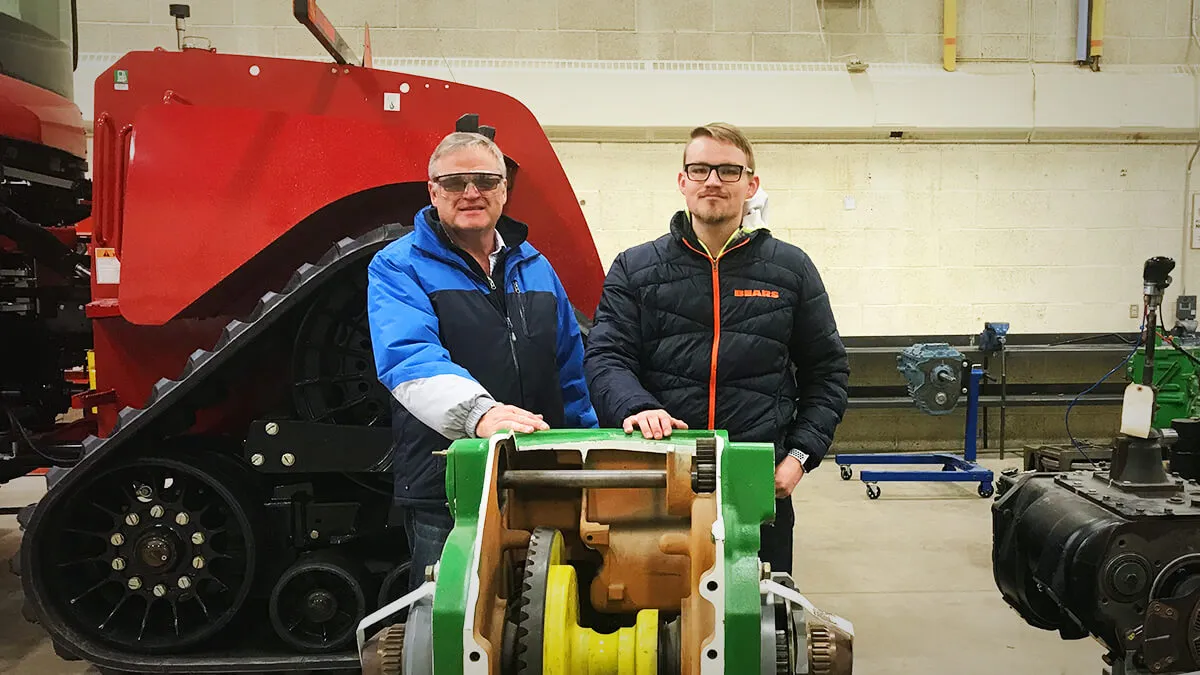
Lorne’s son Jason was the family's mechanical enthusiast, taking his passion to new heights by earning his Journeyman tickets in agriculture, heavy-duty on-road and off-road equipment, as well as trailers. His interest in dealing with equipment was evident from an early age; since his teenage years, he had been involved in importing and exporting machinery to and from the USA for the farm, but he was especially keen on focusing on the local market for used equipment.
However, the modest-sized shop on the property could only accommodate so much additional workload alongside the farm’s demands, which kept the equipment business at a modest level. Recognizing this limitation, discussions began about plans for a new shop to facilitate the expansion of the equipment venture.
Until 2018, most grain sales were handled from our Barrhead location. However, as the business expanded, we recognized that the farm location could greatly enhance the grain elevator with additional storage.
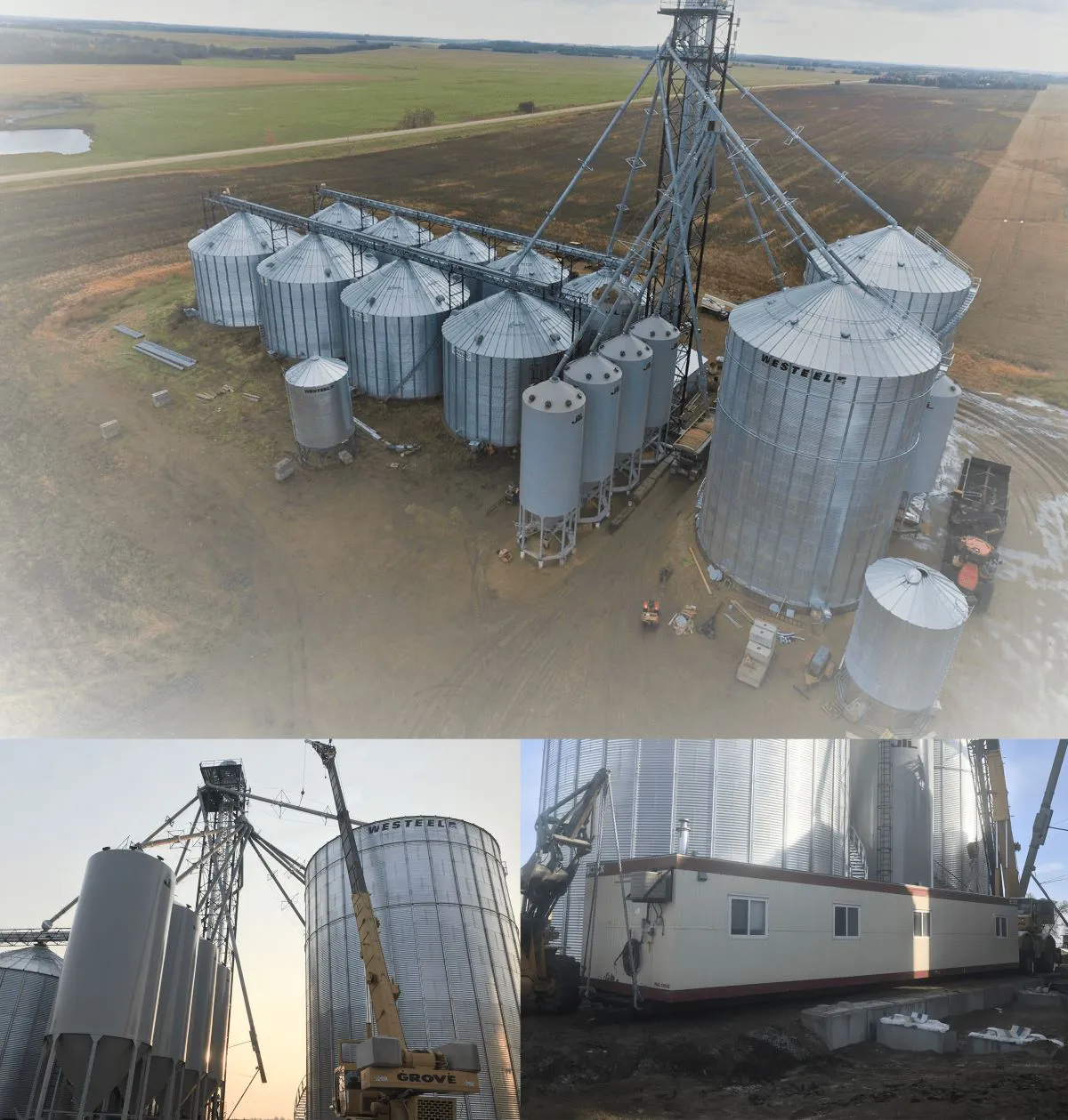
Construction commenced, resulting in the installation of two 100,000-bushel bins, eight 7,000-bushel hopper bins, and a 1,000 bushel/hour grain dryer. This expansion increased our total capacity by 350,000 bushels, bringing our overall storage to 729,000 bushels.
Additionally, we added an office shack to protect our personnel from the elements, which later became an ideal space for our management team the following year.
With the rapid expansion of both our grain business and equipment resale, the old farm shop was bursting at the seams. Our goal was to ensure that every piece of equipment sold was thoroughly inspected and any necessary repairs completed before reaching its new owner.
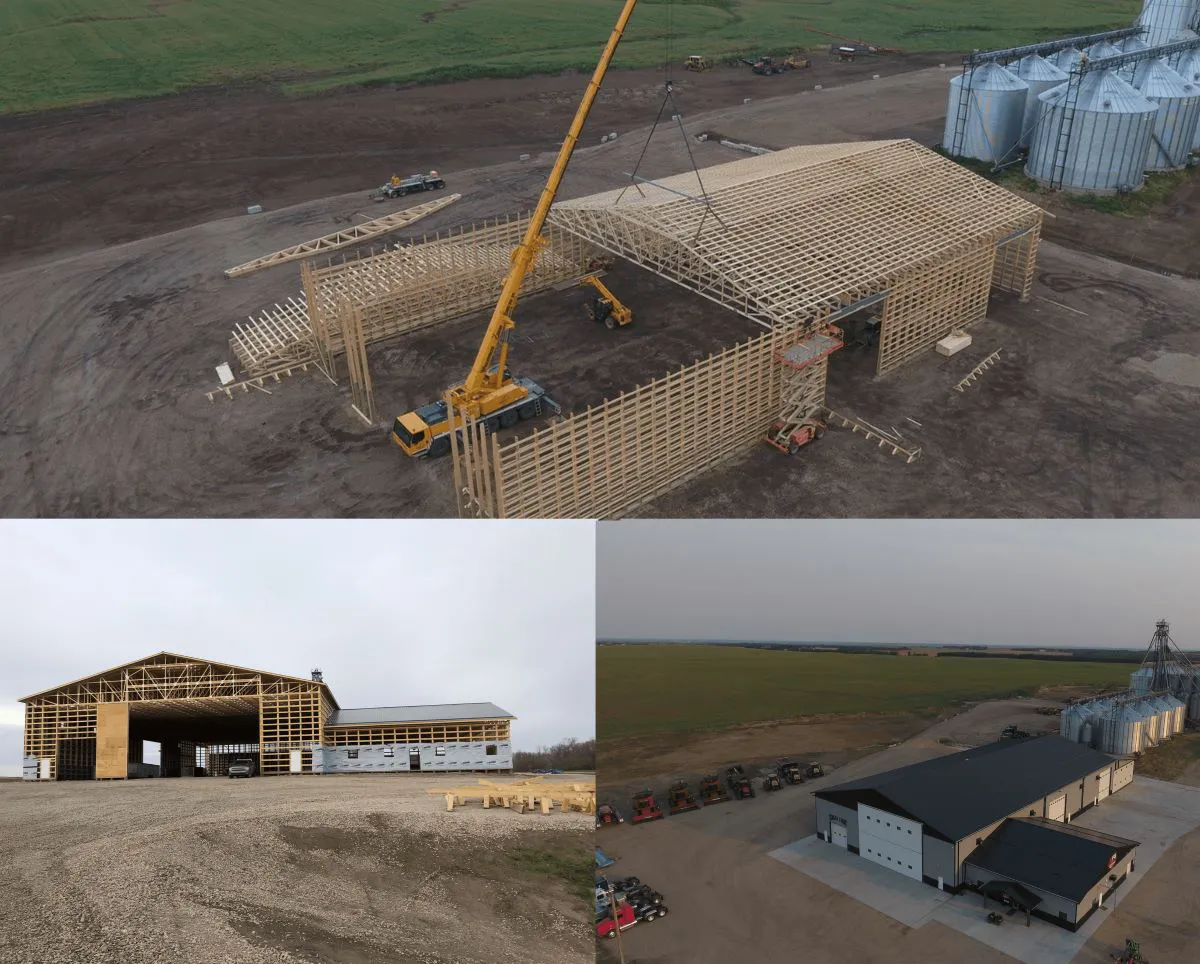
Building a modern shop was essential for the success of both businesses. However, with the onset of COVID-19, making such a significant investment felt daunting. Fortunately, we decided to move forward despite the uncertainty.
Our new shop, spanning 32,000 square feet, is equipped with overhead cranes and truck lifts, making equipment servicing a breeze. We also incorporated a dedicated grain office into the design.
The timing of the project turned out to be perfect. The building was completed just as COVID restrictions began to ease, and demand for equipment surged. This new facility was a game changer for our equipment business, providing the capacity needed to inspect and repair trucks and construction machinery, and redefining the future of our generational business.
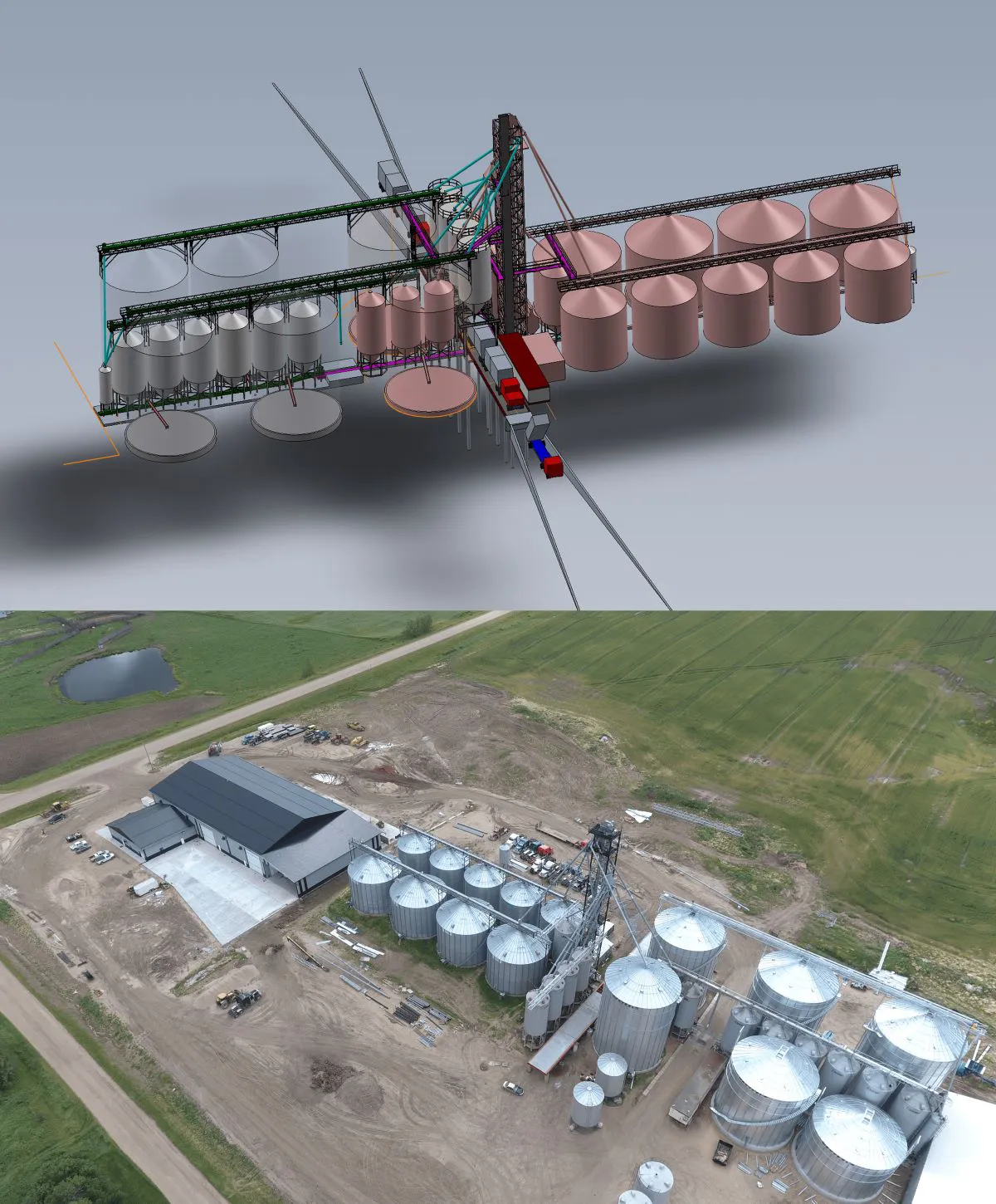
After the completion of the third phase of bins in 2018, grain sales skyrocketed. The expanded storage and drying capacity enabled us to reach farmers farther away and handle a wider variety of commodities, including grains for human consumption. Despite the expansion, storage quickly became insufficient; by the end of October the following year, our facility was operating at full capacity, leading us to fill grain bags for the remainder of the season.
In response to this rapid growth, Phase 4 was planned, nearly doubling our capacity with the addition of four 100,000-bushel bins, six 7,500-bushel hopper bins, and four 7,200-bushel overhead hopper bins. We also installed a 180-foot scale and pit to streamline loading and unloading. This enhancement allowed Super B trucks to dump and reload in under 15 minutes, significantly improving efficiency and virtually eliminating wait times for producers.
With this expansion, our total capacity reached 1.1 million bushels.
When the new shop was built in 2019, the old shop was repurposed into a paint shop for refurbishing equipment, with sandblasting conducted outside. While this setup served as a solid foundation, the increasing volume of equipment sales highlighted the need for a more advanced facility.
In 2022, a state-of-the-art building was constructed to accommodate all painting and polishing needs. Spanning 18,000 square feet, this new facility features five dedicated bays for:
· Sandblasting
· Paint preparation
· Painting (equipped with a modern makeup air system)
· Aluminum polishing
· Paint polishing
This investment has greatly enhanced our painting and polishing quality, in most cases surpassing OEM standards. By keeping equipment indoors throughout the entire process, we ensure that bare metal is completely protected from the elements, resulting in superior durability and finish.
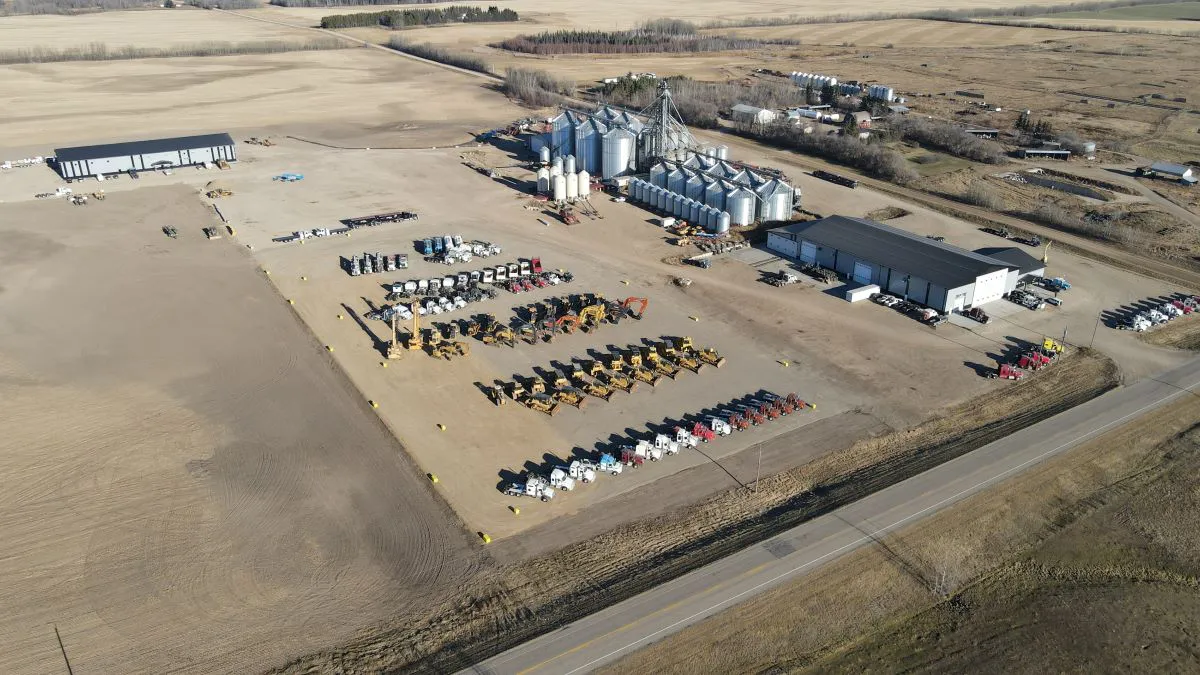
As sales continued to rise and inventory expanded alongside the growth of the farm, it became clear that additional space was necessary to effectively showcase equipment and manage daily operations. To accommodate this need, landscaping was completed, resulting in the addition of approximately 10 acres of yard space.
August 1, 1928, Great Grampa Gottfried Semler, his wife Wanda, and daughter Klara, sailed from Europe heading to Canada. The family was hit hard by the death of their only child, who died at sea. They settled in Tomahawk, Alberta, and had 3 more children.
They purchased a homestead for $10, but needed to clear 20 ac in order to receive title. This land was all trees, and was all cleared by hand.
Great Grandpa Gottfried Semler moved to Cherhill and rented two quarters from a landowner from New York. The plan was to stay long-term, but after two years, the landowner decided to move to Canada and start farming, which forced the Semlers to relocate. The decision was made to move to Highridge.
The combination of losing their rented land and the desire to find a location closer to the church they wanted to attend drove them to make the decision to move to Highridge, where we are still located today. The first quarter in Highridge was purchased with 70 acres cleared for farming.
Today, this field is fully cleared and continues to be farmed by our family, although the original buildings are no longer standing.
Gus and Elsie Semler were married and purchased their first quarter of land, where they built their first home. This property became the heart of their farming operations, bustling with activity until 2019 and still in use today. Gus had heard that Township Road 590 would eventually be paved right next to their land, and his foresight in choosing this location was remarkable. Though it took nearly 30 years for the pavement to arrive, it ultimately came to fruition!
Lorne Semler had been farming alongside his father, Gus, when he made the decision to focus on cattle. Each year, the small feedlot expanded, ultimately reaching its maximum capacity of 5,500 head. A significant portion of this capacity was dedicated to finishing Holsteins for a niche market in the U.S.
November 28, 1996, the workshop that held all the major cattle equipment for daily chores, burned down with all the equipment inside. With the help of friends and family, no cattle went hungry, and a new shop was soon built.
Agricore United was demolishing most of their grain elevators in small towns. Lorne Semler made an offer to purchase the newest of 6 grain elevators in Barrhead (built in 1970), and Agricore accepted his offer.
Today, only two grain elevators remain standing in Barrhead. Lorne had already begun buying and selling grain using the farm bins at his disposal, and acquiring the elevator was the key element needed to truly bring his business vision to life.
In 2002, just one year after acquiring the grain elevator in Barrhead, we faced a significant drought. This was a year that many remember for its challenges. While cattle prices soared, feed costs also tripled, making it difficult to sustain the operation. After careful consideration, we decided to sell our cattle and reassess our strategy for the following year.
In the spring of 2003, the cattle industry was further impacted by BSE, leading us to recognize that re-entering the cattle market wouldn’t be practical for some time. This shift allowed us to refocus our efforts on our grain business, which was already underway, and explore opportunities to expand our grain farm.
With the feedlot closure and the acquisition of additional acres, grain storage transitioned from silage pits to grain bags. However, the wildlife issues associated with grain bag storage prompted the decision to construct grain bins in two phases over the following years. In 2010, five 31,000-bushel bins were built, increasing the total storage capacity by 155,000 bushels.
After two years of utilizing large bins, the time had come to invest in even bigger storage solutions. Simultaneously, the grain business managed from the Barrhead elevator was thriving, indicating potential for further expansion. To support this growth, it was decided to automate the farm facility with a bucket elevator and grain conveyors, designed to handle a capacity of 14,000 bushels per hour. Additionally, four new 56,000-bushel bins were constructed, bringing the total storage capacity at this location to 379,000 bushels.
Lorne’s son Jason was the family's mechanical enthusiast, taking his passion to new heights by earning his Journeyman tickets in agriculture, heavy-duty on-road and off-road equipment, as well as trailers. His interest in dealing with equipment was evident from an early age; since his teenage years, he had been involved in importing and exporting machinery to and from the USA for the farm, but he was especially keen on focusing on the local market for used equipment.
However, the modest-sized shop on the property could only accommodate so much additional workload alongside the farm’s demands, which kept the equipment business at a modest level. Recognizing this limitation, discussions began about plans for a new shop to facilitate the expansion of the equipment venture.
Until 2018, most grain sales were handled from our Barrhead location. However, as the business expanded, we recognized that the farm location could greatly enhance the grain elevator with additional storage.
Construction commenced, resulting in the installation of two 100,000-bushel bins, eight 7,000-bushel hopper bins, and a 1,000 bushel/hour grain dryer. This expansion increased our total capacity by 350,000 bushels, bringing our overall storage to 729,000 bushels.
Additionally, we added an office shack to protect our personnel from the elements, which later became an ideal space for our management team the following year.
With the rapid expansion of both our grain business and equipment resale, the old farm shop was bursting at the seams. Our goal was to ensure that every piece of equipment sold was thoroughly inspected and any necessary repairs completed before reaching its new owner.
Building a modern shop was essential for the success of both businesses. However, with the onset of COVID-19, making such a significant investment felt daunting. Fortunately, we decided to move forward despite the uncertainty.
Our new shop, spanning 32,000 square feet, is equipped with overhead cranes and truck lifts, making equipment servicing a breeze. We also incorporated a dedicated grain office into the design.
Timing could not have been more perfect as the building was completed as the COVID shutdowns started ramping down, and demand for equipment went up!
The timing of the project turned out to be perfect. The building was completed just as COVID restrictions began to ease, and demand for equipment surged. This new facility was a game changer for our equipment business, providing the capacity needed to inspect and repair trucks and construction machinery, and redefining the future of our generational business.
After the completion of the third phase of bins in 2018, grain sales skyrocketed. The expanded storage and drying capacity enabled us to reach farmers farther away and handle a wider variety of commodities, including grains for human consumption. Despite the expansion, storage quickly became insufficient; by the end of October the following year, our facility was operating at full capacity, leading us to fill grain bags for the remainder of the season.
In response to this rapid growth, Phase 4 was planned, nearly doubling our capacity with the addition of four 100,000-bushel bins, six 7,500-bushel hopper bins, and four 7,200-bushel overhead hopper bins. We also installed a 180-foot scale and pit to streamline loading and unloading. This enhancement allowed Super B trucks to dump and reload in under 15 minutes, significantly improving efficiency and virtually eliminating wait times for producers.
With this expansion, our total capacity reached 1.1 million bushels.
When the new shop was built in 2019, the old shop was repurposed into a paint shop for refurbishing equipment, with sandblasting conducted outside. While this setup served as a solid foundation, the increasing volume of equipment sales highlighted the need for a more advanced facility.
In 2022, a state-of-the-art building was constructed to accommodate all painting and polishing needs. Spanning 18,000 square feet, this new facility features five dedicated bays for:
· Sandblasting
· Paint preparation
· Painting (equipped with a modern makeup air system)
· Aluminum polishing
· Paint polishing
This investment has greatly enhanced our painting and polishing quality, in most cases surpassing OEM standards. By keeping equipment indoors throughout the entire process, we ensure that bare metal is completely protected from the elements, resulting in superior durability and finish.
As sales continued to rise and inventory expanded alongside the growth of the farm, it became clear that additional space was necessary to effectively showcase equipment and manage daily operations. To accommodate this need, landscaping was completed, resulting in the addition of approximately 10 acres of yard space.